The Booth Museum of Natural History
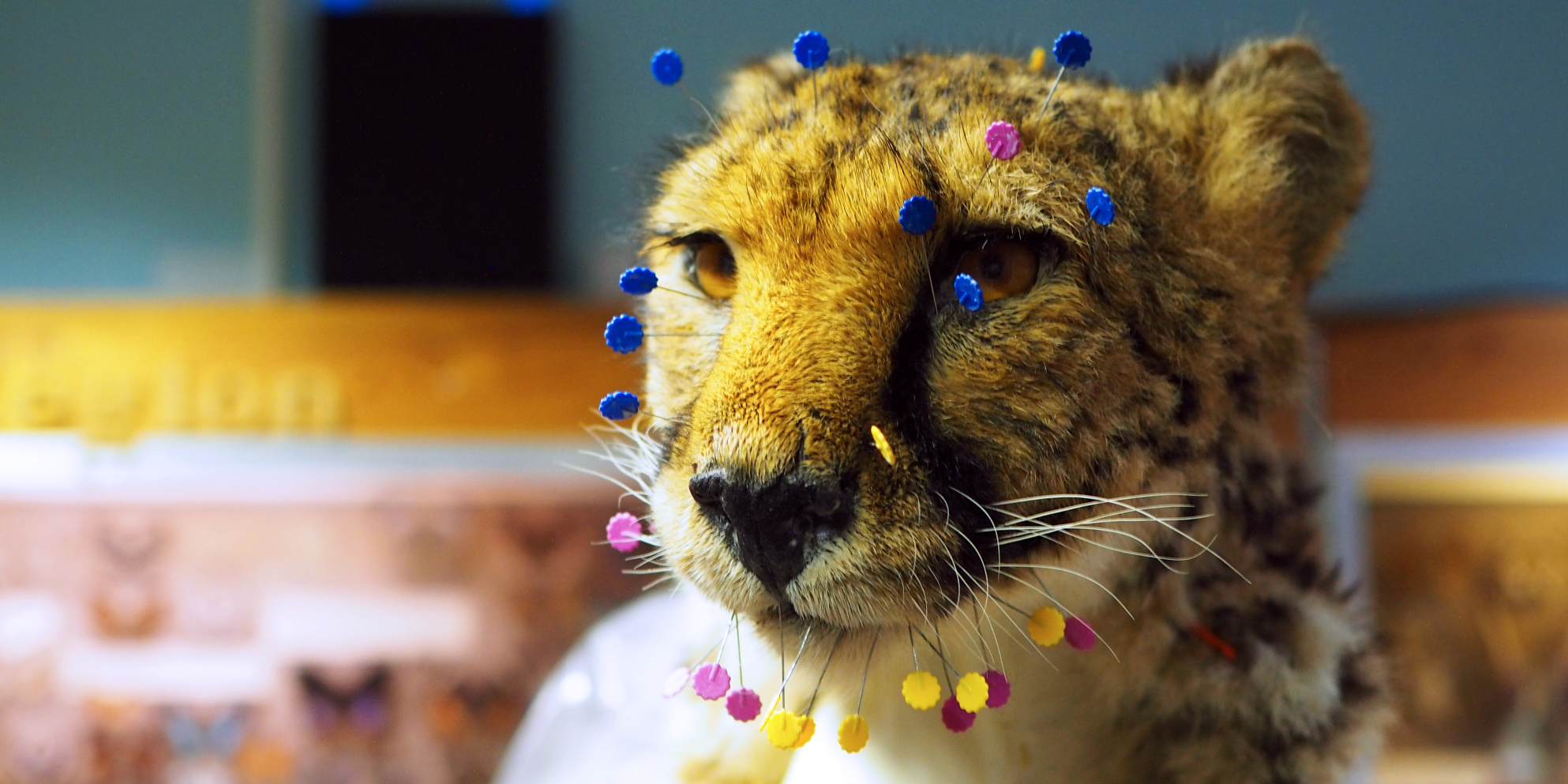
Please note: the Booth Museum is temporarily closed for essential works - you can read more about this here.
About
Founded in 1874 by passionate ornithologist (that's the study of birds!) Edward Thomas Booth, The Booth Museum of Natural History has a fabulous display of over 300 taxidermy dioramas - an invention of which Booth himself was a pioneer.
It's not just birds - the museum is home to a phenomenal collection of 525,000 insects, 50,000 minerals and rocks, 30,000 plant and 5,000 microscopic slides. Ancient history has found its home in Brighton - the collection houses shells from a 55 million year old Mediterranean lagoon and dinosaur bones!
Despite sticking to its eccentric Victorian taxidermy origins, the Booth Museum has an important place in raising environmental awareness and educating around contemporary concerns of conservation.
Inside the Museum

Birds
Edward Booth's ambition was to curate a collection of every species of British bird and display their taxidermies within unique recreations of their natural habitat - and this is how the museum came to be.
Today, you can discover over 400 of Booth's birds, from tiny goldcrests to fierce harrier hawks, in magnificent and informative floor to ceiling displays.
Bones
The Osteological or Skeleton Gallery is based on the collection of Frederick William Lucas (1842-1932), a local solicitor with a keen interest in zoology. He acquired his objects and specimens from auctions as well as from other collectors and travellers, and displayed them at his home in Rottingdean.
Donated to Brighton Museum after the First World War, the collection includes the bones, skulls and skeletons of birds, mammals, reptiles, amphibians and fish.
Of course, the Booth also displays a few dinosaur bones - including an impressive Deinonychus skull.
Butterflies & Insects
The Booth Museum has an incredible collection of butterflies and insects - in fact, it's one of the largest outside of our national museums.
Victorian Study
Take a seat in the Victorian study and flick through a photo album, investigate Mr Booth's desk of curiosities, try on period costumes and enjoy a few games. This is a recreation of how an early naturalist may have decorated his study - highlighting our shift in values from trophy decoration to conservation.
Discovery Lab
The bright, accessible Discovery Lab is a wonderful opportunity for younger visitors to get hands on and learn about the natural world. With imaginative and interactive displays, activities, and vital information about how to protect our planet, the Discovery Lab is a wonderful family-friendly addition to the museum.
Gift Shop
There's an awesome gift shop at the entrance to the museum - with everything from books about the natural world to animal plushies.
Functional cookies need to be enabled to watch this YouTube video. Update your cookie preferences.
Opening Times
From Sunday 20 April 2025, the Booth Museum of Natural History will be closed to the public as part of an important new initiative to improve its collections, refresh its visitor experience, and upgrade essential infrastructure.
The Booth will host drop-in days during the closure, keep an eye on their What’s on for more information.
Guide Prices
Admission to the museum is FREE.
Accessibility
Unfortunately, due to the nature of this historical building, wheelchair users will be required to enter via the rear entrance.
There is an accessible toilet on the ground floor, and one cubicle toilet. For access to the toilet facilities for wheelchair users, there is a ramp in place inside the building.
Venue details
- Address:
- The Booth Museum of Natural History
- 194 Dyke Road
- BN1 5AA