Interview: playwright Dr Stephen M Hornby
Award‑winning playwright and archive dramatist Dr Stephen M. Hornby brings overlooked histories to life on stage and screen. In this interview, he reflects on his creative journey...
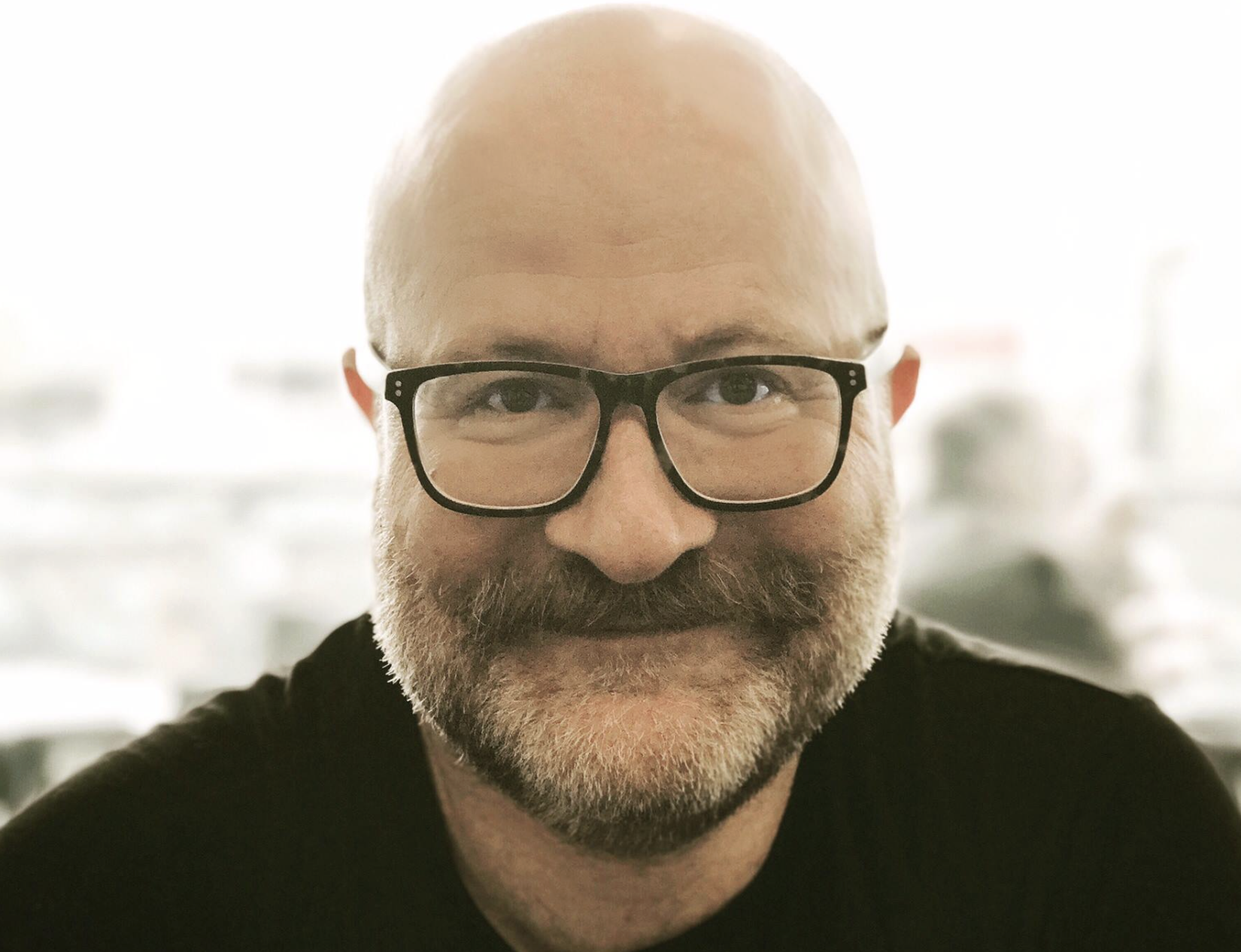
Hi Stephen, was there a formative early performance that set you on the path toward live and produced entertainment?
I remember seeing Robert Lepage’s Tectonic Plates at the National Theatre in the early 1990s, and I was truly spellbound. There’s a pool set into the stage floor, and you enter to wooden chairs suspended in the air with candles on them, which you realise represent a Manhattan skyline. Then, as an actor talks about travelling from New York to Venice, they lower into the water, the candles extinguish, the chairs become half-submerged, and they’ve transformed into a flooded St Mark’s Square. And I thought, “Only theatre can do this, and it's something magical”. I’ve tried to always focus my work on the things that make theatre unique, a communally created art form through the power of actors meeting an audience.
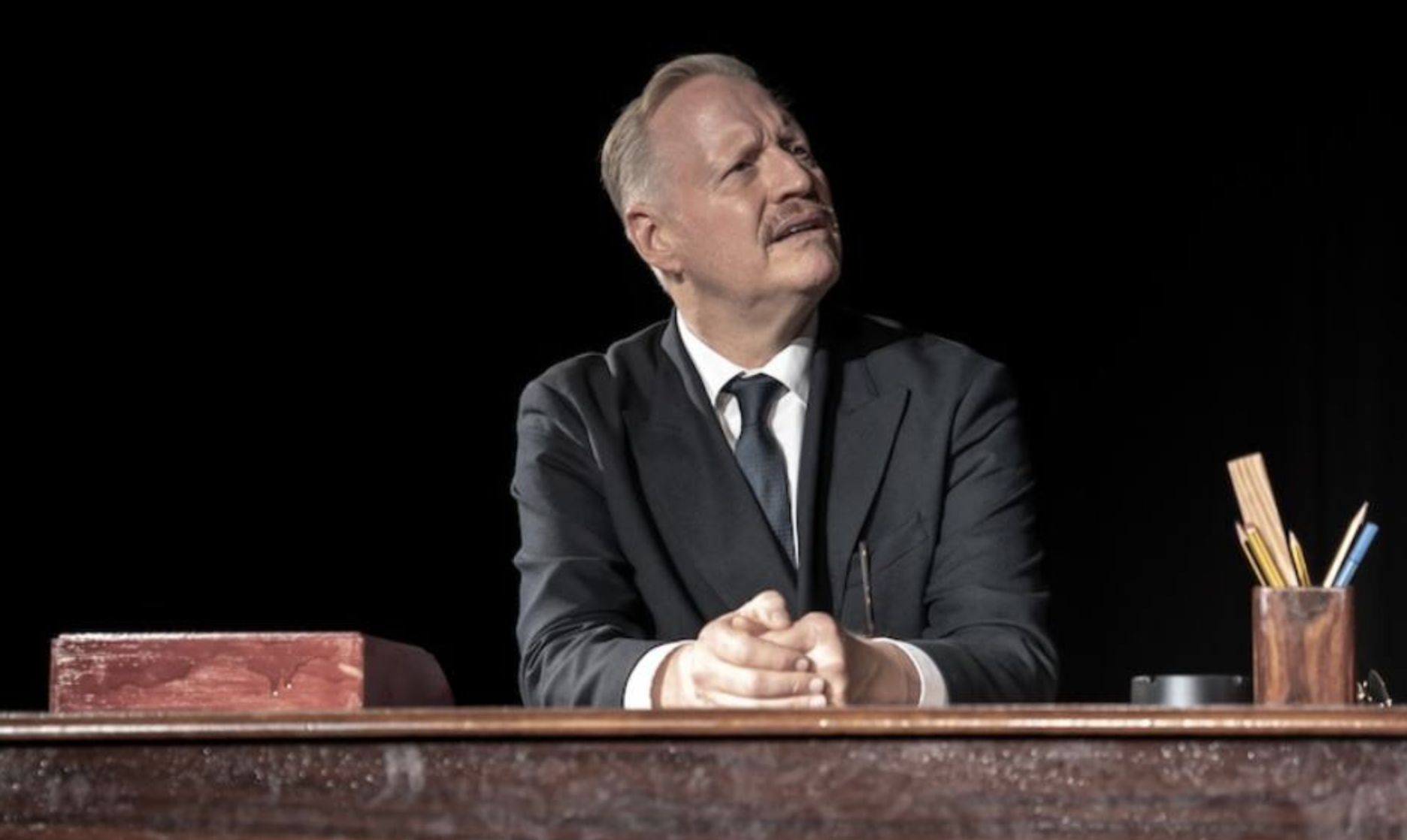
How did you first hear about the BBC’s first documentary on male homosexuality, and what made you want to explore it?
Prof Marcus Collins was in the BBC Written Archives Centre in Reading, doing some research and got distracted by a box from the 1950s marked “Sexual Offences”. When he opened it, he found the transcript of this forgotten documentary. It was originally titled “Homosexuality – The Condition, the Cult & the Crime”. Marcus got appointed as the BBC 100 Fellow as part of their centenary celebrations in 2022 and approached me with the transcript and the internal memos about making the programme, and asked if there was anything I could turn it into for the stage.
The lazy response to his creative challenge would be just to get some actors to read the transcript, but it’s really offensive stuff, full of fake science and abhorrent views. So, I didn’t think there was much point in that. I was more interested in the impact the broadcast could’ve made on someone at the time and the struggles the BBC was having with making the programme. So, it's those that I’ve built the play out of. I’ve invented a kind of gay everyman called Tom. We go on a journey with him as he struggles to recognise and explore his sexuality in a period of heavily policed heteronormativity.
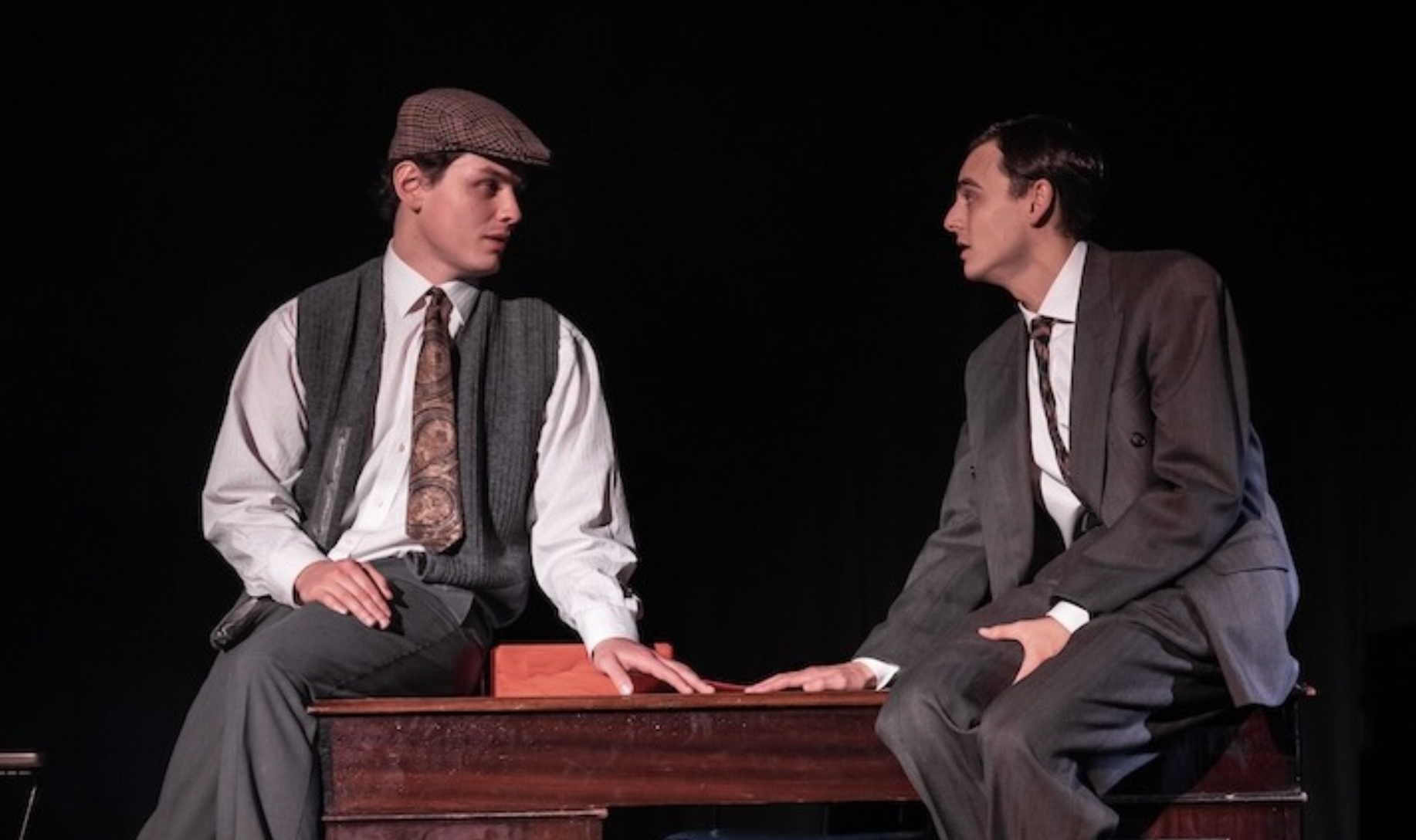
How did you approach building the world of 1950s Britain and what were the key opportunities
Well, Marcus’s research and writing on queer broadcasting in the 1950s were a great starting point. I also read lots of books and plays written in and about the period, watched films from the 1950s, had my 50s playlist going on Spotify and read some histories of the development of the BBC. In the end, I had a pretty clear sense of the language and values of the period, and I wrote from that position.
It's about an informed feel for the time – historical literacy, not necessarily 100% accuracy, in the sense of just simply reproducing things. The aesthetics of the production, which I think work really well, are down to our excellent director, Oli Hurst. He’s managed to create the worlds that the play inhabits and worked with two of the actors on the considerable challenge of playing many roles, so this it feels remarkably real.
As the Artistic Director of Inkbrew Productions, I’d love to hear your creative vision for the organisation going forward?
The core of what we do is simple: dramatise archives. Above and beyond that, my partnership with LGBT+ History Month for the last decade as their Playwright In Residence has enabled us to explore hidden histories. To focus on ordinary lives and forgotten heroes, and to decentre London a bit as the home of all LGBT+ rights struggles.
We found that Burnley in Lancashire was the home of the UK’s lesbian and gay rights struggle in the 1970s. We’ve gone to Huddersfield and recreated the national Pride that took place there in 1981. We recreated a drag ball from Manchester in 1880 and the police raid and prosecution of it. And we’ve purposefully queered the link between Walt Whitman and a group of working-class men from Bolton in Victorian Lancashire. I have to say, it feels like we’re only just beginning. Having a play that’s partly set in London is a first for us.
What are you enjoying in the UK culture scene right now?
Manchester. It's exploding with theatre, music and great food. It’s a wonderful, vibrant, friendly city, and its giving London a run for its money on many fronts.
Learn more and book The BBC's First Homosexual here.
Follow Inkbrew Productions on Instagram here.